Compare Local Contractors for Boundary Fence Installation Success
Compare local contractors for boundary fence installation to define project scope, verify experience, and set clear expectations in writing for a successful result.
Boundary fence installation typically involves constructing a barrier along the perimeter of a property to establish clear boundaries, enhance privacy, and improve security. This work can include selecting appropriate fencing materials such as wood, vinyl, chain-link, or metal, as well as preparing the land, setting posts, and ensuring the fence is properly aligned and stable. Depending on the property’s layout and specific needs, contractors may also handle additional features like gates, decorative elements, or privacy screens, making it essential to clearly define the scope to ensure all desired components are included.
Understanding and clearly defining the scope of boundary fence work is crucial for property owners to set accurate expectations and avoid misunderstandings. A detailed scope should specify the type of fencing, the length and height of the barrier, the materials to be used, and any additional features or customization. Communicating these details in writing helps ensure that both property owners and contractors are aligned on the project’s requirements, reducing the risk of disputes or unexpected modifications later on. Proper scope definition also provides a basis for comparing different service providers based on their experience and the services they offer.
When evaluating local contractors for boundary fence installation, property owners should consider their experience with similar projects and their familiarity with local regulations or site conditions. Comparing multiple service providers involves reviewing their credentials, examining examples of previous work, and verifying that they understand the scope of the project. It’s also beneficial to discuss how each contractor plans to approach the work, including their methods for land preparation, post installation, and finishing details. Gathering this information in writing allows property owners to make informed decisions and select the service provider best suited to meet their specific fencing needs.
Compare local contractors by outlining your priorities, verifying experience, and clearly defining project expectations in writing.
- Compare Contractor Experience - Review the background and project history of local contractors to assess their expertise in boundary fence installation.
- Define Project Scope Clearly - Specify the materials, fence type, and property boundaries to ensure all parties understand the work involved.
- Verify Credentials and References - Check references and past projects to confirm the reliability and quality of local service providers.
- Document Agreements in Writing - Put all project details, expectations, and responsibilities into a written contract before work begins.
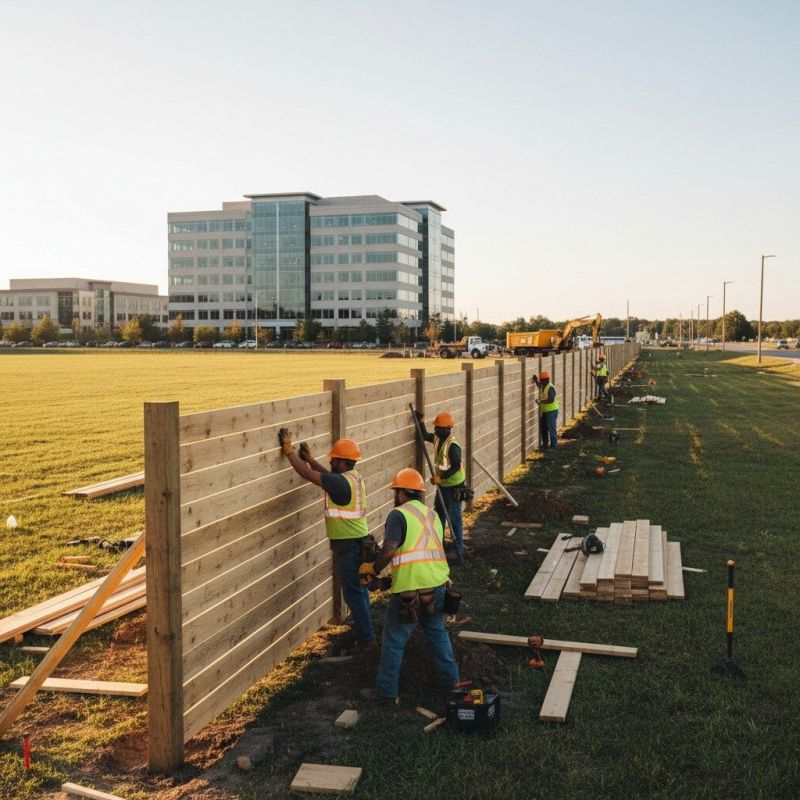
Clearly describe your boundary fence project and compare local contractors to ensure aligned expectations and scope.
- Verify the contractor’s experience with boundary fence installation projects similar in scope and style. - Ensure the scope of work, materials, and responsibilities are clearly defined in the contract before beginning the project.
- Compare multiple service providers to assess their qualifications, reputation, and previous work quality. - Confirm that the contractors are familiar with local regulations and property boundary requirements.
- Check that the contractor provides a detailed written estimate outlining materials, labor, and any additional costs. - Clarify the installation process and what to expect during each phase of the project.
- Ask service providers about their process for obtaining necessary permits and adhering to local codes. - Confirm that the scope includes proper boundary marking and adherence to property lines.
- Ensure the contract specifies the project timeline, payment schedule, and procedures for handling changes or issues. - Review the warranty or guarantee policy related to workmanship and materials used.
- Request references or reviews from previous clients to evaluate the contractor’s reliability and quality of work.
Compare local contractors' experience and clarify project scope to ensure expectations are clearly set.
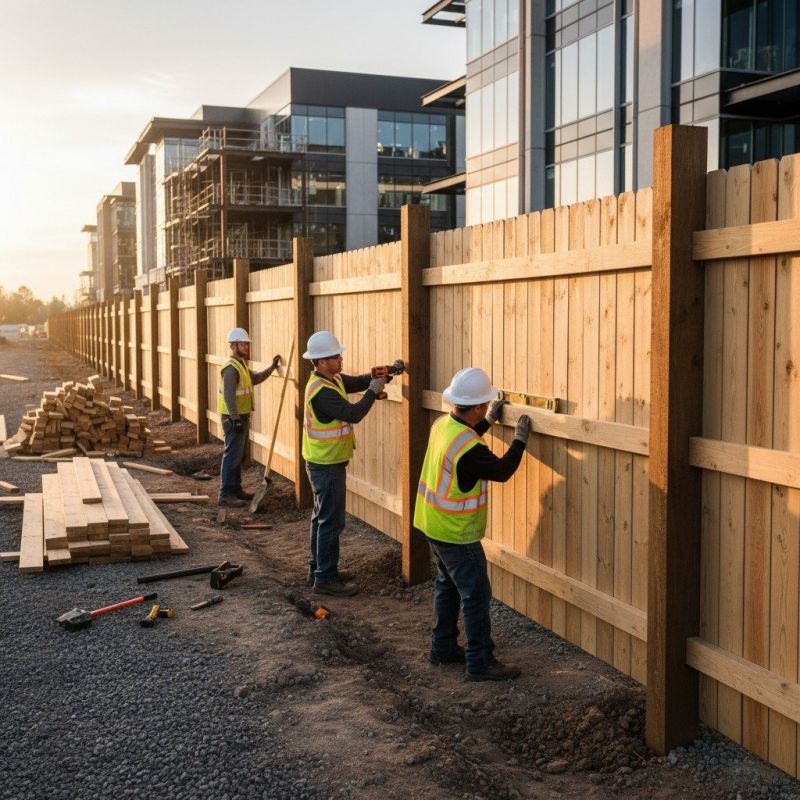
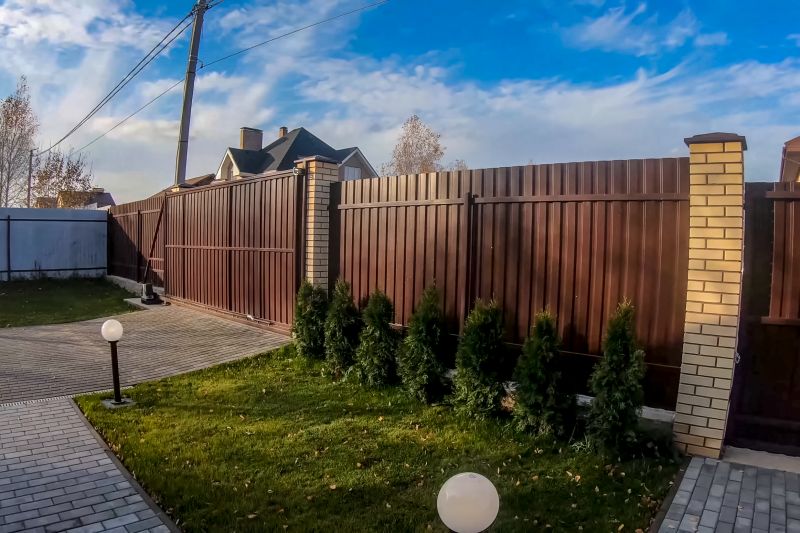
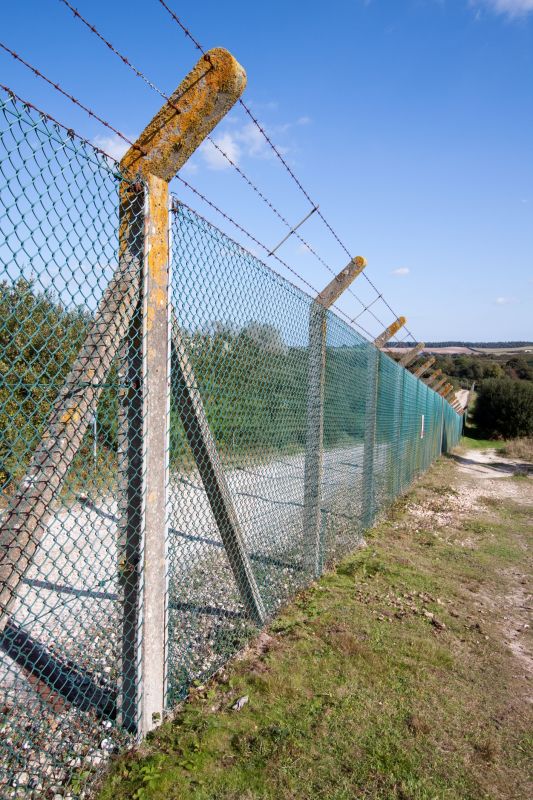

This section helps compare local contractors for boundary fence installation by defining scope, verifying experience, and setting clear expectations.
- Property boundaries - clearly identify and mark the property lines to define the fence’s placement.
- Fence materials - specify the type of fencing material to be used and ensure it aligns with property requirements.
- Design and height - determine the desired fence design, height, and any privacy or security features.
- Installation scope - outline the extent of work, including gate placement, post installation, and any additional features.
- Written agreement - establish a detailed scope of work in writing to set clear expectations with the service provider.
When comparing contractors for boundary fence installation, it is important to evaluate their experience with similar projects. Homeowners should seek service providers who have a proven track record of installing fences comparable in size, style, and terrain to the current project. Asking about past work can help determine whether a contractor has the relevant expertise and familiarity with the specific challenges that may arise, such as property lines, soil conditions, or existing structures. Contractors with substantial experience in boundary fencing are more likely to understand the nuances that ensure a durable and properly aligned installation.
A clear, written scope of work is essential when assessing potential service providers. Homeowners should request detailed descriptions of what the project includes, such as materials, fence height, gate placement, and any preparatory or finishing work. Having a comprehensive scope helps prevent misunderstandings and sets expectations upfront. It also provides a basis for comparing how different contractors plan to approach the project, ensuring that all aspects are considered and that there is a shared understanding of what will be delivered.
Verification basics are key to making an informed decision. Homeowners should verify that prospective contractors have the necessary experience with similar boundary fence projects and ask for references or examples of previous work. Confirming that the contractor understands local regulations and property line considerations can also be valuable. While licensing and certification are not the focus here, ensuring that a service provider has a solid reputation and a history of completing projects satisfactorily can help reduce the risk of surprises or subpar results.
Evaluating options without focusing on prices involves assessing how well each contractor’s approach aligns with project needs and expectations. Homeowners can compare the clarity of scope descriptions, the level of experience demonstrated, and the professionalism of communication. It is also helpful to consider how each service provider plans to handle potential challenges and whether their proposed methods are consistent with best practices. By focusing on these aspects, homeowners can select a contractor whose approach matches the project's requirements and ensures a smooth and successful boundary fence installation.
Ask contractors to provide written details of the scope, materials, and responsibilities to ensure clear expectations.
- Experience and Credentials - How do contractors demonstrate their experience with boundary fence installation projects?
- Scope of Work - What specific tasks and materials are included in each contractor’s scope of work?
- Project Expectations - How do contractors define and document the project scope and responsibilities in writing?
- Comparison Criteria - What factors should be considered when comparing different local contractors’ qualifications and approaches?
- Communication and Clarification - How do contractors clarify project details and address questions about the fence installation process?
How can I compare boundary fence installation contractors? To compare local contractors, review their experience, request detailed scope of work, and check references or reviews to assess their reliability and quality of service.
What should I include in a scope of work for boundary fence installation? The scope should specify fence materials, dimensions, property boundaries, any existing structures to work around, and specific expectations for the project to ensure clarity.
How do I verify a contractor’s experience with boundary fences? Ask for examples of previous projects, inquire about their familiarity with the type of fence you want, and seek references from past clients to gauge their expertise.
Why is it important to have a written agreement with a contractor? A written agreement helps define project scope, responsibilities, and expectations clearly, reducing misunderstandings and providing a record of the agreed-upon work.
What questions should I ask a local contractor before hiring for fence installation? Inquire about their experience, methods, materials used, warranties offered, and how they handle unforeseen issues during the project.
How can I ensure the contractor understands my boundary fence needs? Clearly communicate your expectations, provide property boundary details, and confirm that the scope of work covers all your requirements before starting the project.
This page has provided an overview of key factors to consider when selecting contractors for boundary fence installation. Visitors learned how to define the scope of the project, verify the experience of service providers, and set clear expectations through written agreements. These steps can help ensure that the process of choosing a contractor is organized and informed.
To explore options and compare local contractors, using the quote form can be an effective next step. It offers a straightforward way to connect with service providers in the area, enabling further research and decision-making based on individual needs and preferences.